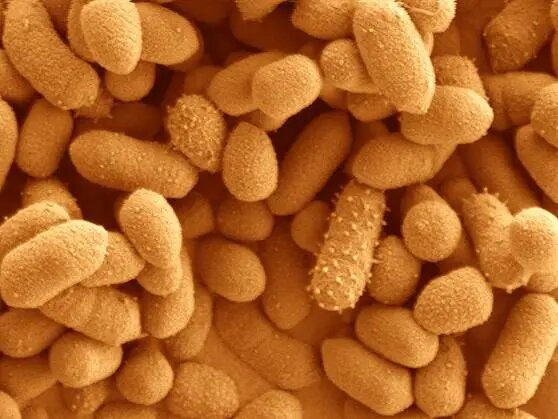
Who it is: Intestinal commensal bacterium, discovered in 1912 by Arcangelo Distaso, specialized in digesting complex carbohydrates such as starches and plant fibers. Main functions: Digests fibers and starches thanks to specific enzymes (glycosidases) and the Sus system. Produces short-chain fatty acids (SCFA: acetate, propionate, a bit of butyrate), which nourish intestinal cells and reduce inflammation. Strengthens the intestinal barrier by stimulating mucin and modulating the immune system through capsular polysaccharides (PSA). Fights pathogenic bacteria by competing for space and nutrients. Indirectly influences the gut-brain axis by regulating inflammation and neuroactive metabolites. Promotes the formation of biofilms with other beneficial bacteria, supporting microbial balance. Enhances the effectiveness of certain anti-tumor immunotherapies. Importance: Maintains the balance of the microbiota, protects the intestine, reduces inflammation, and supports communication between the gut, immune system, and brain.
https://microbiota.news/bacteroides-thetaiotaomicron-il-batterio-che-digerisce-i-carboidrati-comples...


©
Bacteroides thetaiotaomicron (B. theta): batterio alleato dell’intestino
Bacteroides thetaiotaomicron (B. theta): batterio alleato dell’intestino
2025-10-25 17:02
2025-10-25 17:02
Romina Giuliani
Romina Giuliani
Probiotici, microbiotaedintorni, microbiota, b-theta,
©