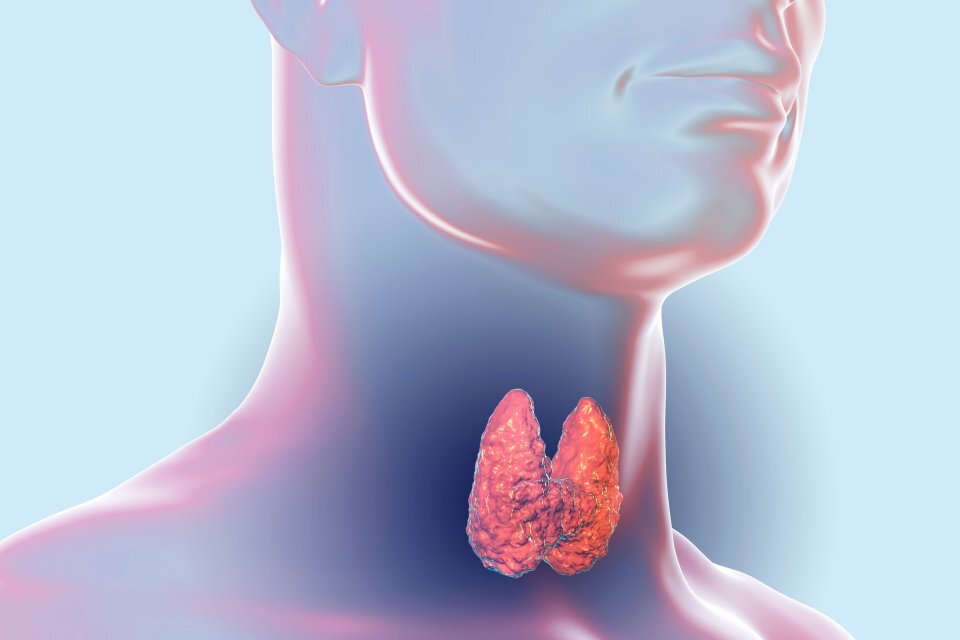
Autoimmune thyroiditis (AIT) is a chronic disease characterized by the production of autoantibodies (TPO-Ab, Tg-Ab) and the activation of immune processes that damage thyroid cells. The main clinical forms include Hashimoto's thyroiditis (HT) and Graves' disease (GD). AIT affects about 5% of the general population, with a much higher prevalence in women and increasing with age. In cases of hypothyroidism, the standard therapy consists of the administration of levothyroxine (LT4). Selenium is an essential micronutrient, with particularly high concentrations in the thyroid. It is involved in the structure and function of antioxidant enzymes (e.g., glutathione peroxidase), protecting the thyroid from oxidative stress. Clinical studies have suggested a potential benefit of selenium supplementation in AIT, with a reduction in autoantibody levels and clinical improvement, especially in cases of mild Graves' orbitopathy. The evidence on the effectiveness of selenium remains controversial: The Cochrane review (2013) highlighted insufficient data. Some meta-analyses (e.g., Zuo 2021, Fan 2014) showed significant reductions in TPO-Ab and Tg-Ab after 6–12 months of supplementation, with mood improvements and no serious adverse events. However, other analyses have not fully confirmed these results. An overview of systematic reviews (up to 2022) highlighted low methodological quality (AMSTAR-2) in most of the included studies. Randomized clinical trials (RCTs) showed shortcomings in the description of randomization, allocation concealment, and bias management, reducing the certainty of the evidence (GRADE: low or very low for most outcomes). Population treated with LT4: reduction of TPO-Ab at 3 and 6 months, but not of Tg-Ab. Population not treated with LT4: reduction of TPO-Ab and Tg-Ab at 3 and 6 months, without persistence at 12 months. Safety: no serious adverse effects; most used dose 200 µg/day of selenomethionine. Wide clinical and methodological heterogeneity. Differences in the preparations and doses of selenium used. Analyses based on estimates of median and IQR, potentially less reliable. Lack of more recent data post-2020. Role of selenium
Clinical evidence
Methodological quality of the studies
Main results
Study limitations
Conclusions
Selenium supplementation may lead to a temporary reduction in autoantibody levels (TPO-Ab and Tg-Ab), but the certainty of the evidence is low. Routine use of selenium in AIT is not recommended, except in patients with documented deficiency. Future high-quality RCTs are needed, with long-term follow-up and the use of new selenium formulations (e.g., nanoparticles, selenized polysaccharides) to clarify the real clinical benefits.
https://doi.org/10.3390/nu15143194


©
Gli effetti della supplementazione di selenio nel trattamento della tiroidite autoimmune
Gli effetti della supplementazione di selenio nel trattamento della tiroidite autoimmune
2025-09-14 17:07
2025-09-14 17:07
Romina Giuliani
Romina Giuliani
Tiroidite autoimmune, microbiotaedintorni, selenio, tiroidite-autoimmune, integraziune-funzionale,
©