You are probably familiar with the idea that an altered composition of the gut microbiota has been linked to a wide range of intestinal and extraintestinal conditions.
While a rich and diverse gut microbiota is closely linked to proper gut health and overall well-being, changes in the balance of this community of microorganisms have also been linked to almost all human diseases.
Just like a forest with many different types of trees or a library with a wide range of books, a diverse gut microbiota means having different types of good microorganisms from many groups. And just like the idea of entering your favorite library and finding only one genre of books makes a visit less appealing, so it is with the huge range of microorganisms in your gut: the greater the diversity, the better!
Maintaining a healthy gut microbiota is like tending to your lawn! Just like with that patch of grass in your garden, letting the gut microbiota recover spontaneously when it is out of balance does not always mean getting the best results.
What are the elements that help promote a healthy gut microbiota?
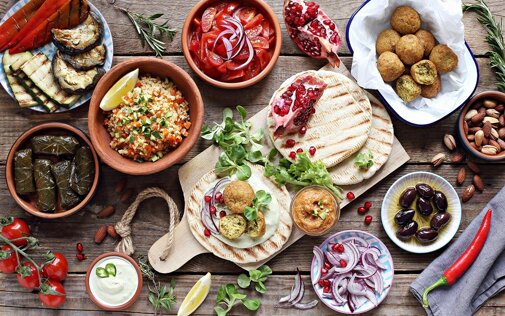
1) Prebiotics, which act as a fertilizer for gut microbes and promote the good growth of gut bacteria. Achieving the weekly goal of 30 different plant-based foods (including fruits, vegetables, whole grains, legumes, nuts, and seeds), which are rich in natural prebiotics, is the best way to nourish your gut microbiota!
The good news is that the quality of the diet (that is, the diversity of food components) is more important than the number of calories itself, even in older people.
2) Probiotics, which help to seed your gut with well-defined good microbes. Probiotics are a good way to deliver a defined amount and diversity of beneficial microorganisms, mainly consisting of bacteria but also yeasts.
Scientists have also turned to compounds produced by microorganisms, released from food components or microbial constituents, including non-viable cells, which have the potential to promote health and well-being if administered in adequate amounts. These are collectively known as postbiotics.
3) Synbiotics, which are a mixture including live microorganisms and one or more substrates selectively used by host microorganisms that confer a health benefit.
Want a simple idea to include synbiotics in your diet? Combine a prebiotic food and a probiotic fermented food in the same meal as a dessert (e.g., yogurt with dried fruit and seeds).
4) The fourth and final way to maintain that gut microbial lawn is to transplant the entire microbial ecosystem, like spreading new seeds and transplanting native vegetation onto grass that has been hit by frost. It is important to emphasize that to minimize the potential risk of adverse events and the unintentional transfer of conditions related to the gut microbiome, this mode of microbiota modulation should only be used in strict clinical settings.
Just as each of us is unique, so is our inner microbial ecosystem. Therefore, there is growing interest among scientists in exploring personalized ways to take care of gut health.
In the future, new probiotics will be available in addition to the well-known Lactobacillus and Bifidobacterium. One example is heat-inactivated Akkermansia muciniphila to alleviate features of metabolic syndrome in overweight and obese people.
Until now, the handy methods to nourish the gut microbiota include the consumption of probiotics and prebiotics. The science of the future will further help clarify the best recipes to support diet quality to meet individual needs, along with other indications for administering a wide defined range of microbes for conditions beyond the gut.
https://www.gutmicrobiotaforhealth.com/category/news-watch/
©
Quattro metodi scientifici per prendersi cura del microbiota intestinale
Quattro metodi scientifici per prendersi cura del microbiota intestinale
2022-02-12 15:00
2022-02-12 15:00
Romina Giuliani
Romina Giuliani
nutrizione, probiotici, prebiotici, microbiota, postbiotici,
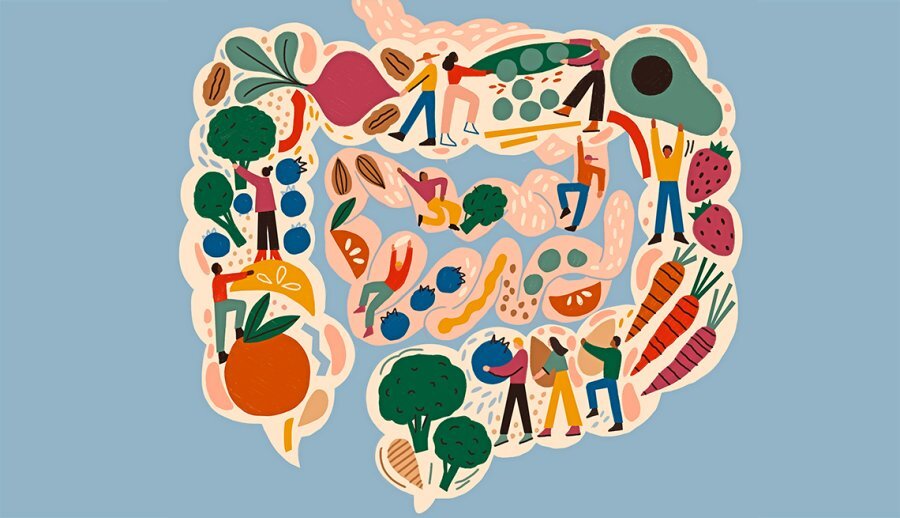
Gli scienziati sono interessati a scoprire quali batteri intestinali specifici sono associati all'adesione a modelli dietetici sani.
©