Green tea, derived from the leaves of Camellia sinensis, is one of the most studied functional beverages in the world for its multiple beneficial effects on human health. The growing interest in this beverage is attributable to its rich content of bioactive compounds, including catechins (EGCG, EGC, ECG, EC), flavonols (quercetin, kaempferol, myricetin), theanine, and a moderate amount of caffeine. These molecules possess antioxidant, anti-inflammatory, neuroprotective, immunomodulatory, and prebiotic properties, making green tea a true functional nutraceutical. Numerous scientific studies indicate that regular consumption of green tea contributes significantly to the improvement of mental and cognitive health. The beneficial effects are mediated through various mechanisms of action, including modulation of the hypothalamic-pituitary-adrenal (HPA) axis, regulation of monoaminergic neurotransmitters (dopamine, serotonin, noradrenaline), reduction of oxidative stress and neuroinflammation, and the ability to chelate toxic metals. These processes contribute to the prevention and alleviation of depressive, anxious, and cognitive symptoms, highlighting a potential preventive and therapeutic role of green tea in mood disorders and neuropsychiatric disorders. Particularly relevant is the interaction between green tea polyphenols and the gut microbiota. Catechins and other phenols act as substrates for the selective growth of beneficial bacteria, particularly Bifidobacterium spp., promoting a microbial composition favorable to health and counteracting dysbiosis. In studies conducted on human subjects, green tea intake has shown a correlation with an increase in bifidobacteria and a decrease in pathobionts such as Clostridium perfringens. These effects, although reversible upon discontinuation of intake, suggest a direct and significant action of green tea on the composition and functionality of the intestinal ecosystem. In light of the concept of the microbiota-gut-brain axis, the role of green tea emerges as central in promoting a healthy bidirectional dialogue between the gut and the central nervous system. The modulation of the microbiota and intestinal permeability contributes to lower immune activation and a reduction in systemic and neuroinflammatory inflammation, factors notoriously involved in the etiopathogenesis of numerous neuropsychiatric conditions, including depression, anxiety, ADHD, and autism spectrum disorders. In conclusion, the integration of green tea within a targeted nutritional and therapeutic strategy represents an effective and sustainable approach in supporting mental health, cognitive function, and regulation of the gut-brain axis. Its effectiveness is supported by a solid base of both preclinical and clinical scientific evidence, making it a valuable tool in the field of nutraceuticals and functional medicine.


©
Tè verde: nutraceutico funzionale per il cervello, il microbiota e l'umore
Tè verde: nutraceutico funzionale per il cervello, il microbiota e l'umore
2025-08-04 17:14
2025-08-04 17:14
Romina Giuliani
Romina Giuliani
Nutraceutica, nutraceutica, microbiota-intestinale, microbiotaedintorni, asse-microbiota-intestino-cervello, polifenoli, medicina-funzionale, te-verde,
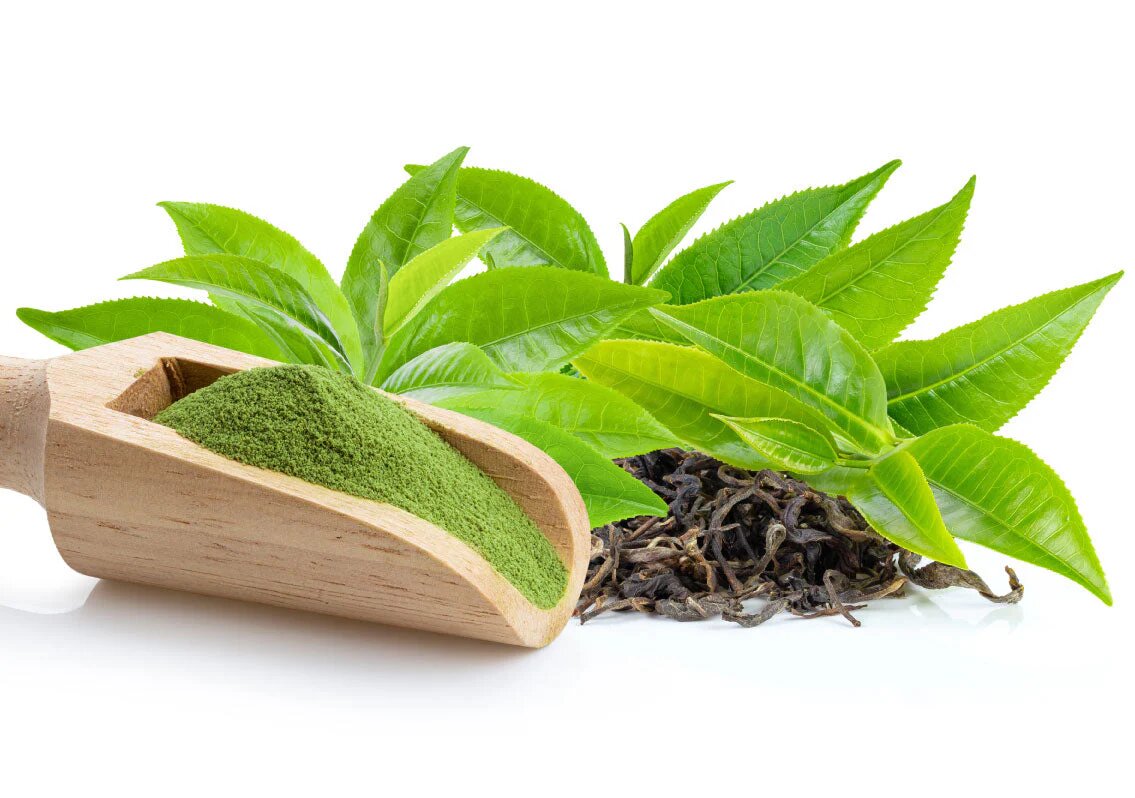
Il consumo di tè verde può essere una strategia preventiva e di supporto in molte condizioni legate a disbiosi, infiammazione e stress cronico, specialmente n
©