Eating pizza is always a pleasure unfortunately, however, in the presence of insulin-dependent diabetes it is a real dilemma!
"How many units of insulin should I take?"
"I went for a run so do I risk hypoglycemia if I administer the insulin needed for this pizza?"
"Ah, I don't eat pizza anymore, I don't know how to manage my blood sugar?"
The culprits of hyperglycemia are not only carbohydrates! Fats and proteins cause an increase in blood sugar that continues up to 6–12 hours after eating. To cover this extended glycemic effect of fats and/or proteins, it is necessary to prolong the duration of the insulin effect and it may be necessary to increase the total dose.
In healthy people and people with type 1 diabetes, adding fats (mozzarella for example) to pizza reduces the glycemic response in the early postprandial period (first 1-3 hours) thus increasing the risk of hypoglycemia. However, in the late postprandial period, meals rich in fats often cause significant hyperglycemia that lasts for several hours after the meal. This hyperglycemia is problematic for good glycemic control, particularly because pizza is often eaten at dinner when prolonged hyperglycemia may not be detected until the next morning. A recent study on dietary factors associated with nocturnal hypoglycemia in adults showed a significant association with fat intake after dinner and higher rates of onset of nocturnal hyperglycemia. Triglycerides (oil, mozzarella, cheese, sausage, etc.) can influence the glycemic response in type 1 diabetes through several mechanisms: glycerol gluconeogenesis, a direct effect of free fatty acids (FFA), effects on other hormones, and effects on gastric emptying.
In individuals without diabetes, the dietary proteins contained in pizza (cereals, mozzarella, cheese, fish, etc.) do not alter postprandial blood sugar, however they stimulate a significant postprandial insulin response, necessary for the absorption of amino acids. On the contrary, when people with type 1 diabetes consume proteins with pizza, there is an increase in postprandial blood sugar and insulin requirements. The prolonged postprandial hyperglycemic effect of proteins could potentially be used to reduce nocturnal hypoglycemia, however, research has shown that meals rich in fats (which also have sustained postprandial hyperglycemia) do not prevent nocturnal hypoglycemia. Therefore, further research is needed to determine whether high-protein meals could reduce nocturnal hypoglycemia. Two mechanisms have been proposed by which the proteins present in pizza can cause delayed and prolonged postprandial glycemic excursions in people with type 1 diabetes: alteration of hormones that influence glucose homeostasis and the conversion of amino acids into glucose via gluconeogenesis.
Some tricks to overcome this unpleasant little problem:

©
Pizza e risposta glicemica
Pizza e risposta glicemica
2022-01-17 17:38
2022-01-17 17:38
Romina Giuliani
Romina Giuliani
nutrizione, diabete, insulina, microbiotaedintorni, pizza, glicemia, risposta-glicemica,
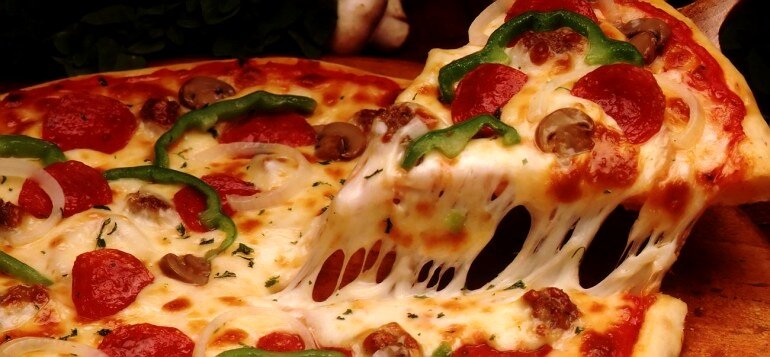
"Che fatica questa pizza!" Disse il fegato durante la notte...
©