Aging is a complex physiological and psychological process, involving numerous changes at the cellular, molecular, and systemic levels throughout the lifespan. Although an integral part of the human condition, its pace and expression are deeply influenced by the interaction between genetic and environmental factors. In recent years, geroscience has identified several key characteristics that accompany aging: among these are epigenetic alteration, chronic inflammation, cellular senescence, mitochondrial dysfunction, loss of proteostasis, decline of stem cells, and impairment of intracellular communications. In this context, the concept of inflammaging has gained particular importance, a term coined by Franceschi et al. to describe a chronic, systemic, low-intensity but persistent inflammatory state typical of advanced age. Although not accompanied by obvious symptoms, inflammaging represents fertile ground for the development of numerous age-related diseases. It is characterized by a high production of pro-inflammatory cytokines such as TNF-α, IL-6, IL-1β, and C-reactive protein (CRP), which compromise the body's ability to respond to new antigens and slow tissue repair processes. The progressive loss of balance between pro-inflammatory and anti-inflammatory mechanisms increases the vulnerability of the elderly individual, favoring the onset of neurodegenerative diseases, type 2 diabetes, cardiovascular diseases, osteoporosis, arthritis, and some types of cancer. However, the understanding of the mechanisms regulating inflammaging is still partial, as are the methodologies for its clinical evaluation. Among the most effective strategies to counteract inflammaging are caloric restriction, regular physical activity, and the use of bioactive compounds capable of modulating the inflammatory response. In particular, research is focusing on functional foods, nutraceuticals, and small molecules of natural or synthetic origin, capable of slowing the chronic inflammatory process associated with aging. These interventions now represent a field of growing interest, with concrete potential to promote healthy and active aging. In recent years, several theories have helped clarify the mechanisms underlying chronic inflammation related to aging, including the oxidative-inflammatory theory. It describes a scenario in which the activation of innate immunity and the increase in pro-inflammatory mediators promote a chronic and persistent inflammatory state, with harmful effects on the body. A central aspect is the progressive increase in the inflammatory load with age, a phenomenon that contributes to frailty and the development of chronic diseases. Among the main molecular players involved in inflammaging are pro-inflammatory cytokines, such as TNF-α, IL-6, IL-1, IFN-γ, and IL-18. The levels of these molecules increase significantly in the elderly and are associated with morbidity, mortality, and marked frailty. In particular, interleukin-6 (IL-6) is considered a predictive marker of chronic senile inflammation. It has also been observed that specific genetic polymorphisms, such as those in the IL-6, IL-10, and IFN-γ genes, can influence the inflammatory response and correlate with longevity, as demonstrated by some studies conducted on centenarian populations. Another key factor is oxidative stress, determined by the accumulation of reactive oxygen species (ROS). Chronic inflammation promotes the production of ROS, creating a vicious cycle that damages DNA, proteins, and cellular lipids, compromising homeostasis and accelerating cellular decline. This process is aggravated by a decrease in antioxidant defenses with advancing age, and can lead to a reduction in ATP levels and increased membrane permeability, contributing to cellular aging. The oxidative-inflammatory theory of aging therefore suggests that the regular intake of antioxidant nutrients also endowed with anti-inflammatory activity could delay age-related degenerative processes. Cellular senescence represents another fundamental element. It is a state of irreversible cell cycle arrest, often triggered by DNA damage, telomere shortening, or oxidative stress. Senescent cells accumulate with age and produce a particular inflammatory secretome (SASP) that promotes inflammation in surrounding tissues. Genetic studies have linked senescence and inflammation to the onset of age-related diseases, and the targeted elimination of senescent cells has been associated with a reduction in frailty and an extension of longevity. Finally, a relevant role is played by autophagy, the mechanism through which cells eliminate misfolded proteins and damaged organelles. With aging, the efficiency of autophagy tends to decrease, favoring the accumulation of cellular debris and the activation of inflammatory responses. This may include the stimulation of the NLRP3 inflammasome, a molecular complex that promotes the production of cytokines such as IL-1 and IL-18. Chronic activation of the inflammasome has been associated with several aging-related diseases, including cardiovascular diseases and type 2 diabetes.


©
Inflammaging e invecchiamento
Inflammaging e invecchiamento
2025-06-03 18:39
2025-06-03 18:39
Romina Giuliani
Romina Giuliani
inflammaging, nutraceutica, epigenetica, invecchiamento, medicina-funzionale, inflammaging, infiammazione-cronica, senescenza, restizione-calorica,
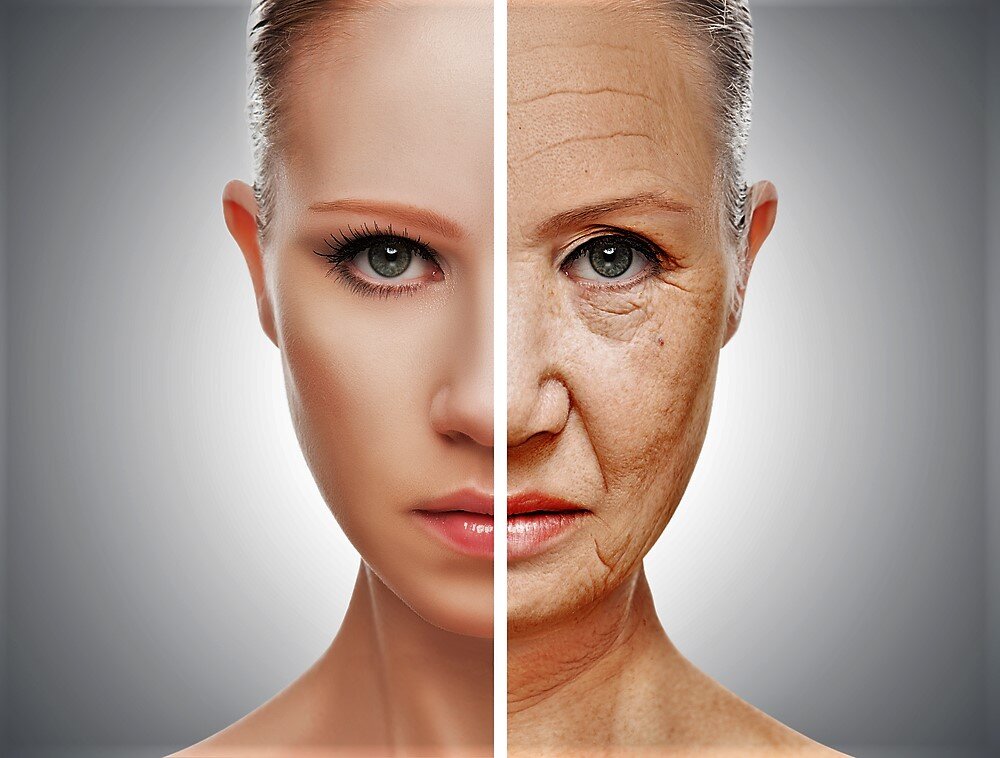
Inflammaging, termine coniato da Franceschi et al. per descrivere uno stato infiammatorio cronico, sistemico, a bassa intensità ma persistente, tipico dell’e
©